Your customer promised to pay Friday. What should the next reminder say?
A payment promise should change the next action. Record it, check for payment, and follow up on the actual conversation.
By the Duebird team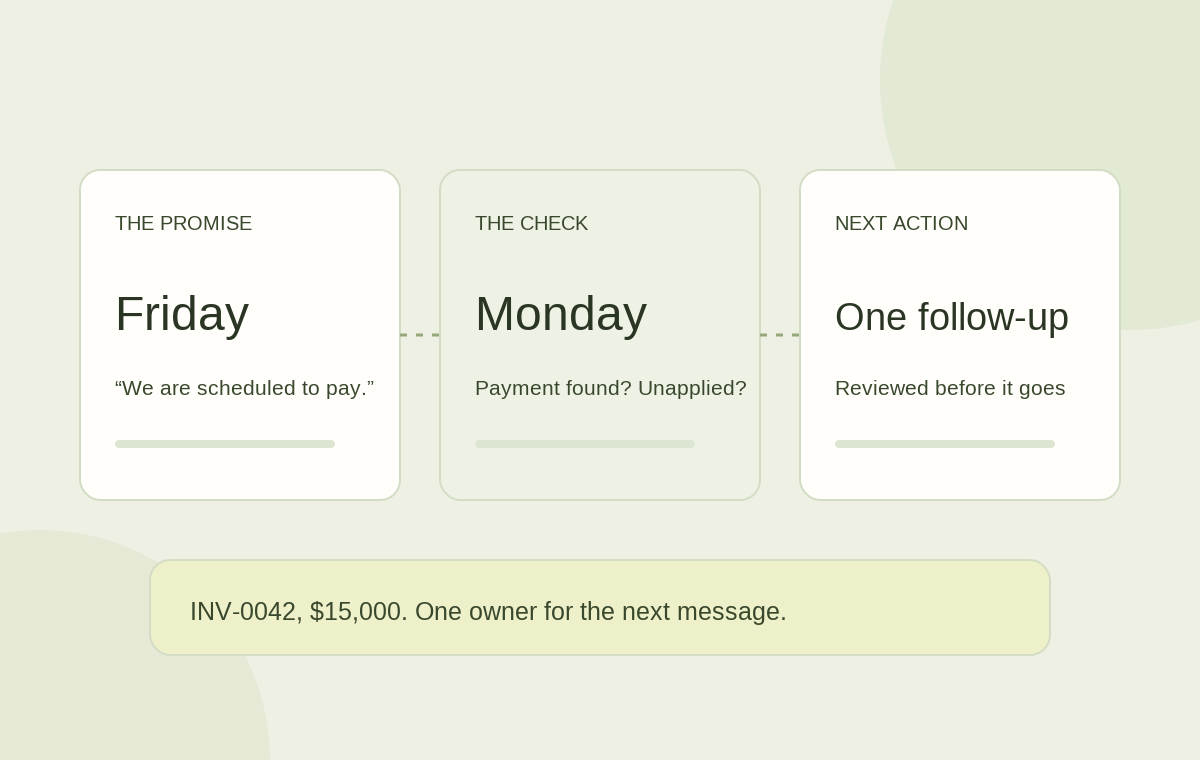
Record the promised payment date with the invoice, check whether payment arrives, and time the next reminder around that promise. A follow-up should acknowledge the customer’s last reply.
Record the date the customer promised, acknowledge it, and check for the payment before sending another reminder. If the date passes, follow up on that promise with one clear question. Keep the account owner and the AR team aligned so the customer receives one informed message.
An automated “your invoice is overdue” message can be correct and still be unhelpful. If the customer already said the payment is scheduled for Friday, the next email should acknowledge that conversation.
Record a promise the whole team can use
A note in one person’s inbox is easy for a colleague or an automated reminder to miss. Put the promise with the invoice and customer account, with enough detail to decide what happens next.
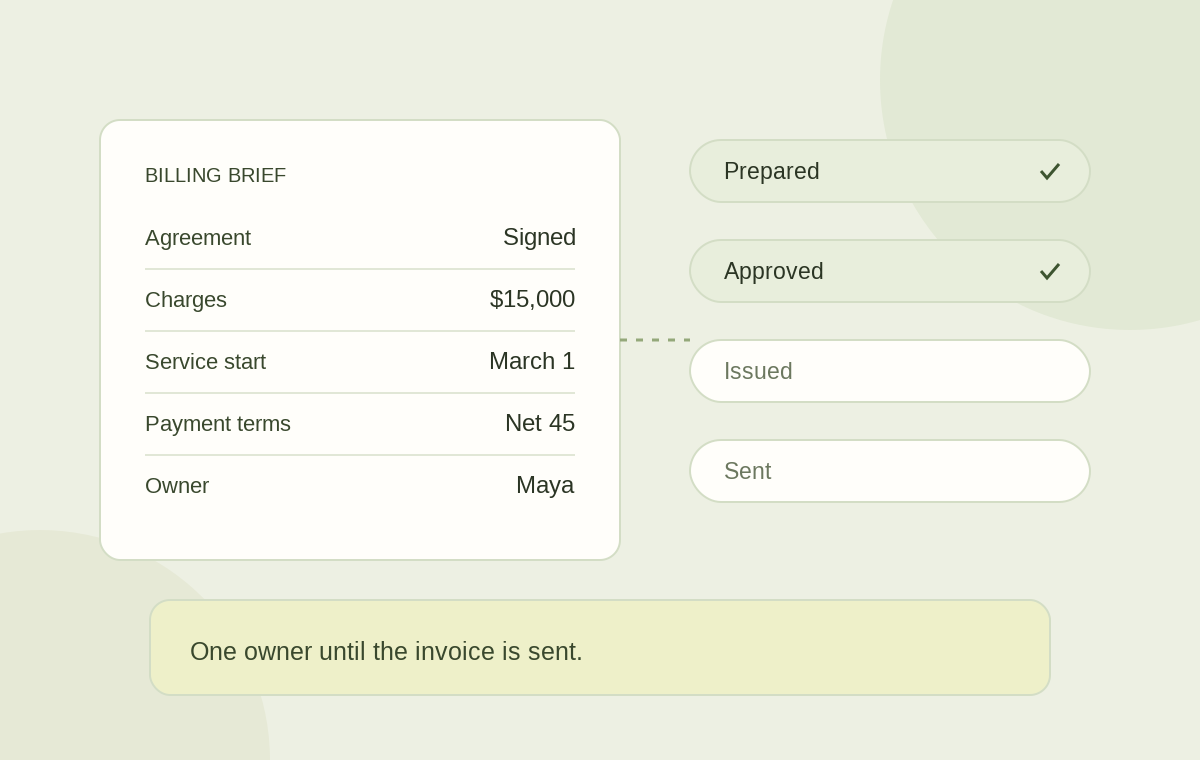
Give the next message one owner. If the promise reached sales, hand it over in a line: “Maya, Jordan confirmed $15,000 for INV-0042 will be paid Friday. Can you check for it Monday and take the follow-up? I’ve told Jordan to expect a note from you if anything is missing.”
- The invoice or invoices covered by the promise.
- The amount and expected payment date.
- The customer contact and the message containing the promise.
- Whether payment was scheduled, initiated, or only being discussed.
- The internal owner and the next review date.
Acknowledge the promise clearly
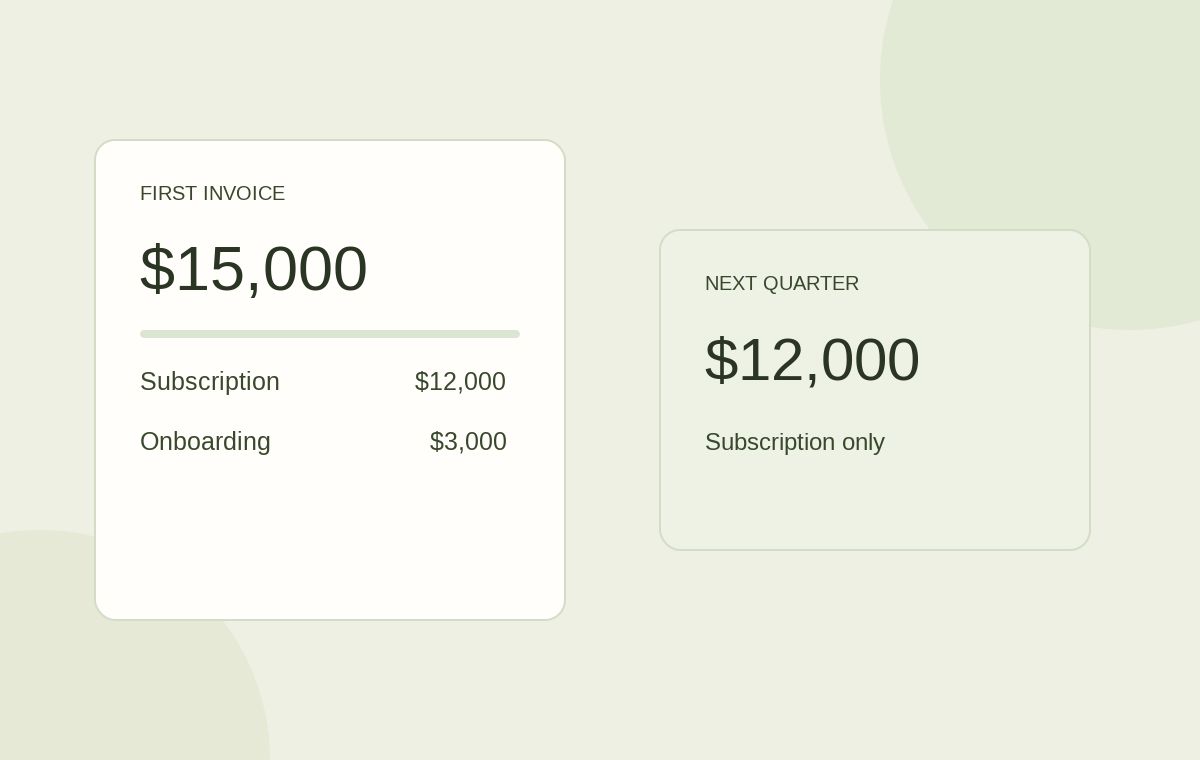
An acknowledgement can be short: “Thanks, Jordan. Friday is noted for INV-0042, $15,000. We will check for the payment after that and let you know if anything is missing.” It confirms the invoice and the amount, and gives both teams the same expectation without repeating a payment demand.
Avoid implying that a scheduled payment has already settled. Bank processing time and the method used can affect when funds become visible. If the customer means they will initiate payment on Friday, record that distinction.
Check the payment before sending another email
When the review date arrives, check more than the invoice status. A remittance notice is not proof that the bank settlement has arrived, and money that has arrived may still be unapplied.
- Received payments for this customer.
- Remittances that name the invoice.
- The usual settlement time for the payment method.
- Unapplied cash on the account.
- An open dispute or question about the invoice.
- A new date the customer has already agreed.
See how to hold reminders while a payment or dispute is being resolved, so the next message reflects the latest account status.
Write the follow-up around what changed
For a missed promise, a useful draft is: “Hi Jordan, following up on the payment you had scheduled for Friday for INV-0042. We have not matched a payment yet. Has it been sent, and could you share the remittance reference or a new date?” Keep it to that question. Fees and collection steps belong to a later, deliberate decision.
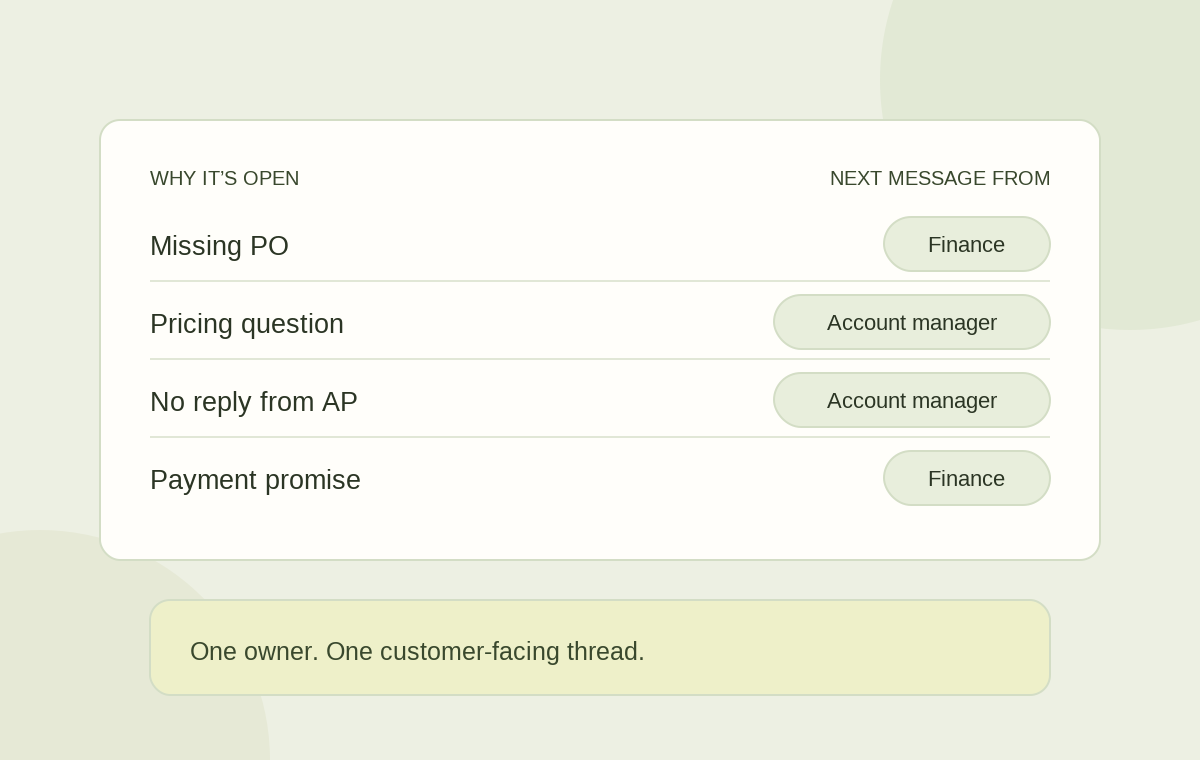
A dispute needs a different response. So does a missing PO, an incorrect legal entity, or a failed payment. Assign the issue to someone who can resolve it and avoid sending collection reminders that ignore the blocker.
| Customer context | Useful next action |
|---|---|
| Payment promised | Review after the promised date. |
| Payment sent, not found | Ask for a remittance or transaction reference. |
| Charge disputed | Resolve the billing question. |
| Customer reference missing | Provide the required document or correction. |
Teams can keep the conversation in the shared AR inbox, where the promise and the next reply sit together.
Use AI to prepare a contextual response
Duebird brings the AR inbox, invoice, customer history, and payment context together. AI can prepare a follow-up from that information while your team controls sending.
Automation is useful when it helps the team choose the right next action. A promise should influence the draft and review date, rather than disappear behind an overdue badge.
Read how reminder drafts work before setting the next review date.
Record the promise, check for received or unapplied money, then follow up on the specific commitment.
Sources and further reading
Official references for the concepts and software examples discussed in this article.